You borrow against your equity
The amount available depends on factors such as age, home value, current rates, and the existing mortgage balance.
Reverse mortgage education for homeowners 62+
A reverse mortgage can turn part of your home equity into cash without selling your home. Learn how it works before you decide whether it makes sense for you.
General education. No loan application. No sales pitch.
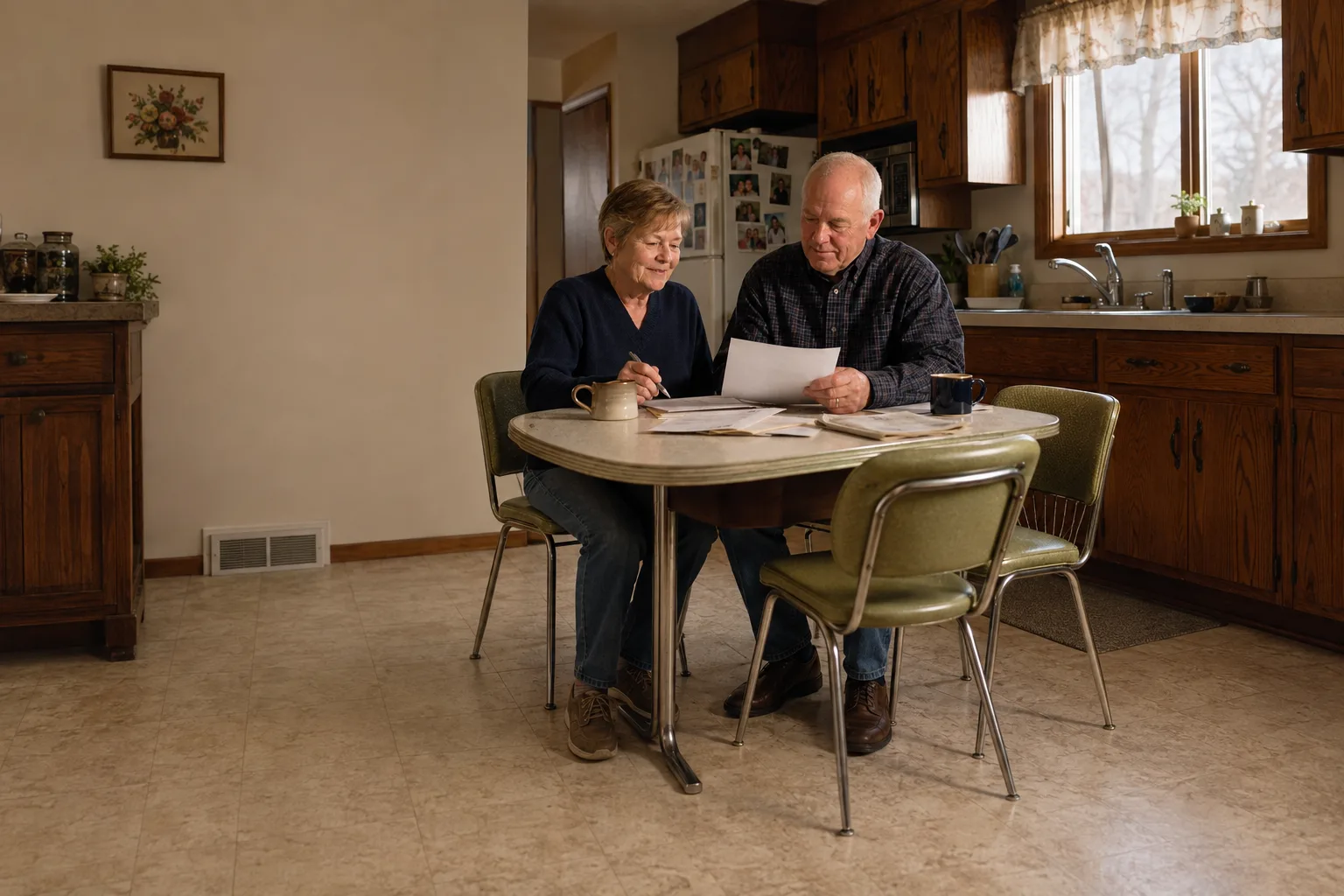
The short answer
The most common reverse mortgage is a Home Equity Conversion Mortgage, or HECM. It lets homeowners 62 and older borrow against part of their home equity without making a required monthly principal and interest payment.
The amount available depends on factors such as age, home value, current rates, and the existing mortgage balance.
Depending on the loan, funds may be available as a lump sum, monthly payments, a line of credit, or a combination.
Repayment usually happens when the last borrower sells the home, moves out permanently, or dies.
A reverse mortgage is still a loan. The balance grows as interest and fees are added.

One of the biggest questions
The lender does not take the title. You continue living in your home and remain responsible for it.
Pay property taxes
Keep homeowners insurance
Maintain the home
Use it as your primary residence
If these obligations are not met, the loan may become due and the home could face foreclosure.
Learn about the risks and responsibilitiesYour priorities are personal
People use the money in different ways. What matters is whether the loan helps with a real need without creating a bigger problem later.
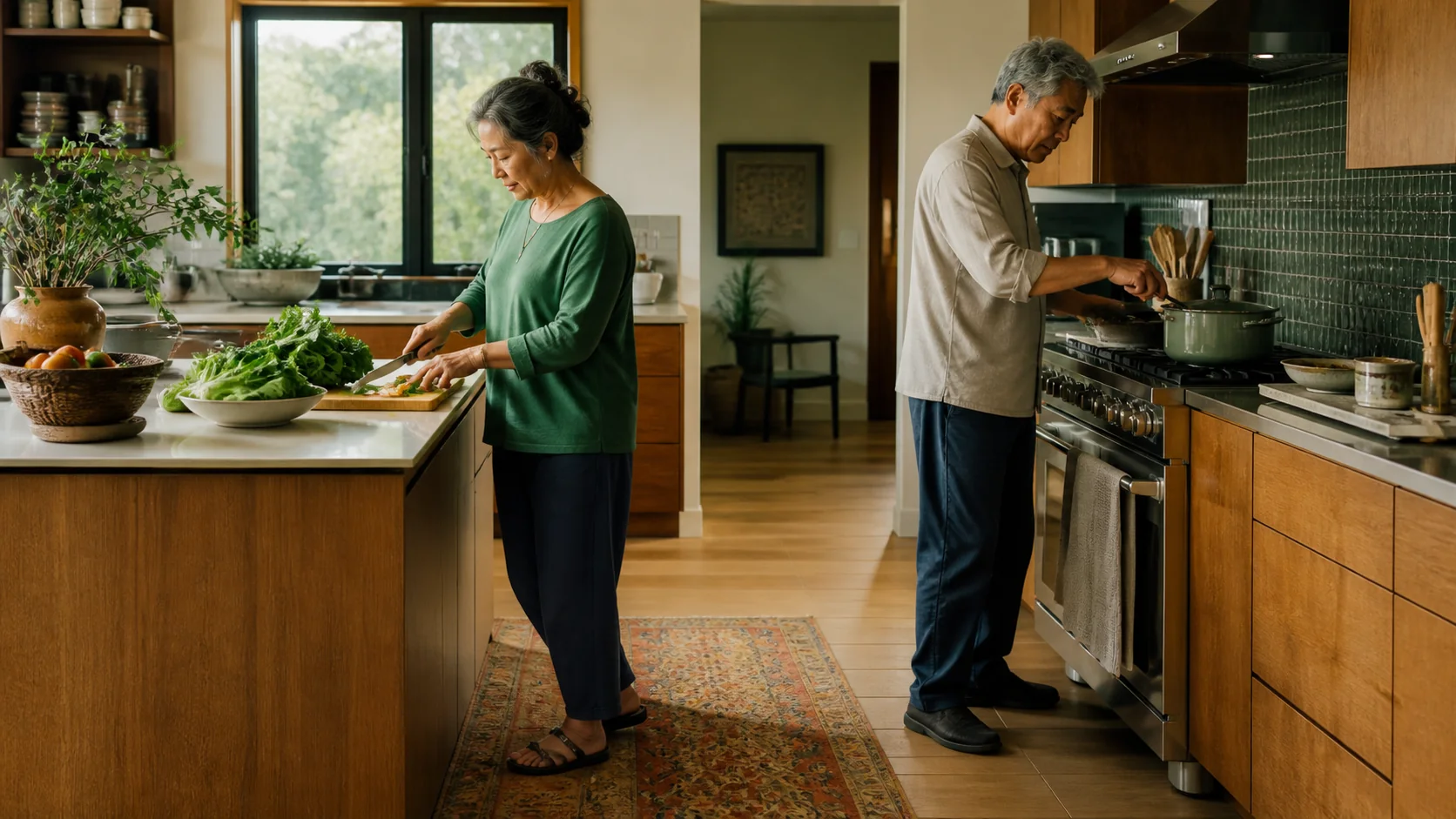
Everyday cash flow

Home and health
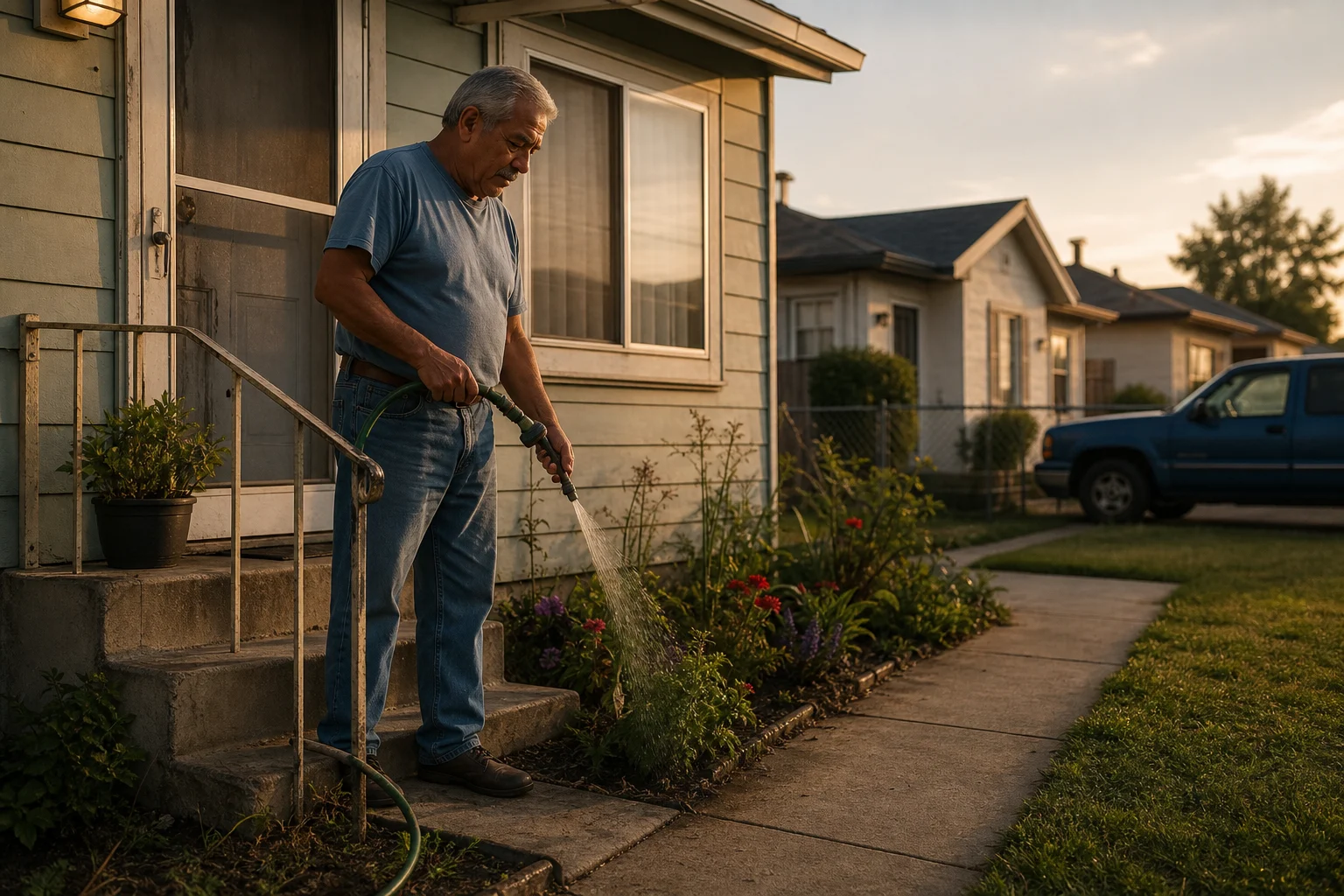
Keeping up the house
How you receive and use the money can affect taxes, benefits, and long-term plans. Talk with the right financial, tax, legal, and housing professionals for your situation.
Look at the whole loan
A reverse mortgage can improve monthly cash flow, but it is not free money. The amount owed usually grows over time.

Questions to help you decide
A reverse mortgage may work well for some homeowners. For others, selling, downsizing, a HELOC, or another option may make more sense.
It may be worth a closer look if
Another option may be better if
“Reverse mortgages are a useful tool for older adults to age in place, but they are not for everyone.”
National Council on Aging
Questions people ask first
These are short answers. Each one links to a fuller explanation elsewhere on the site.
Yes. You stay on the title. You must keep the home as your primary residence, pay property taxes and homeowners insurance, and keep up with maintenance.
A HECM does not require a monthly principal and interest payment. Interest and fees are added to the loan balance, and you still have to pay property charges and meet the loan terms.
The loan is usually repaid when the last borrower sells the home, moves out permanently, or dies. Different rules may apply to a co-borrower or an eligible non-borrowing spouse. Heirs can usually sell the home or pay off the loan if they want to keep it.
A calm place to start
Book a 30-minute Google Meet and bring your questions. We'll walk through the basics and help you make a list of things to ask a lender or HUD-approved counselor. This is general education, not a loan application or personal financial advice.
ClarityKeep provides general educational information about reverse mortgages. It is not financial, legal, or tax advice. This site does not originate loans or accept applications. Consult a licensed mortgage professional, HUD-approved counselor, and your advisors before making decisions.
Reviewed · Our editorial policy
May we use Google Analytics and Microsoft Clarity to see which guides help and where the site is hard to use? Clarity records page interactions with text and images masked. Optional analytics stay off unless you agree. Read our privacy policy.